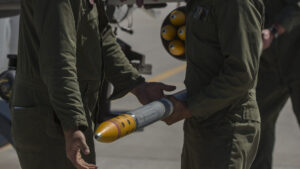
US clears nearly $2 billion in precision weapons for Saudi Arabia
The potential deal comes few days after Saudi Arabia and Iran-backed Yemeni Houthi traded fire, ending a four-year truce.
The potential deal comes few days after Saudi Arabia and Iran-backed Yemeni Houthi traded fire, ending a four-year truce.
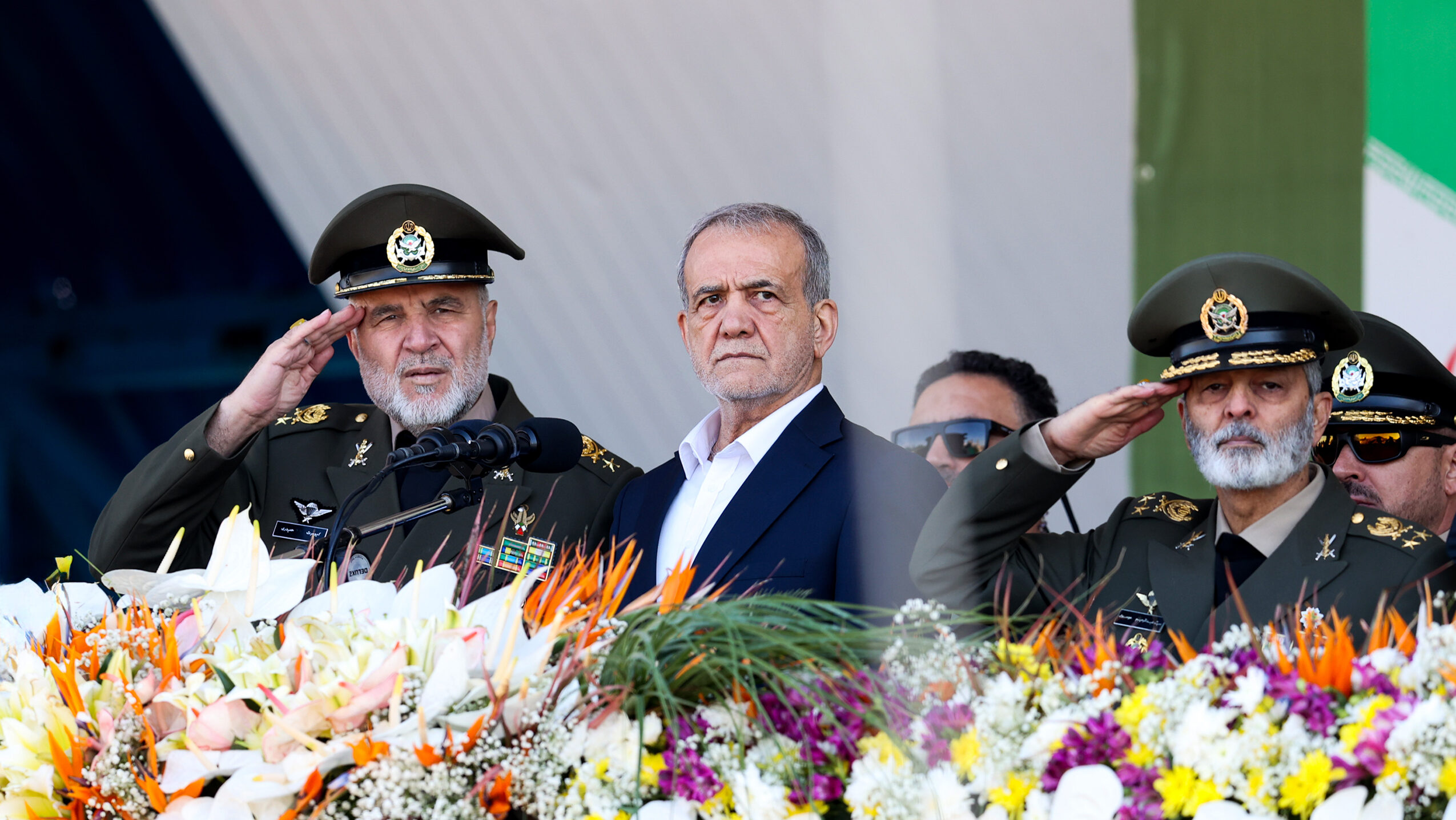
“Iran’s arsenal of short- to medium-range solid fuel systems are being increasingly upgraded to produce a more lethal, survivable, and battlefield ready projectile,” one expert said.

The goal of such weaponization is to tie warfighter needs to the RDT&E cycle.

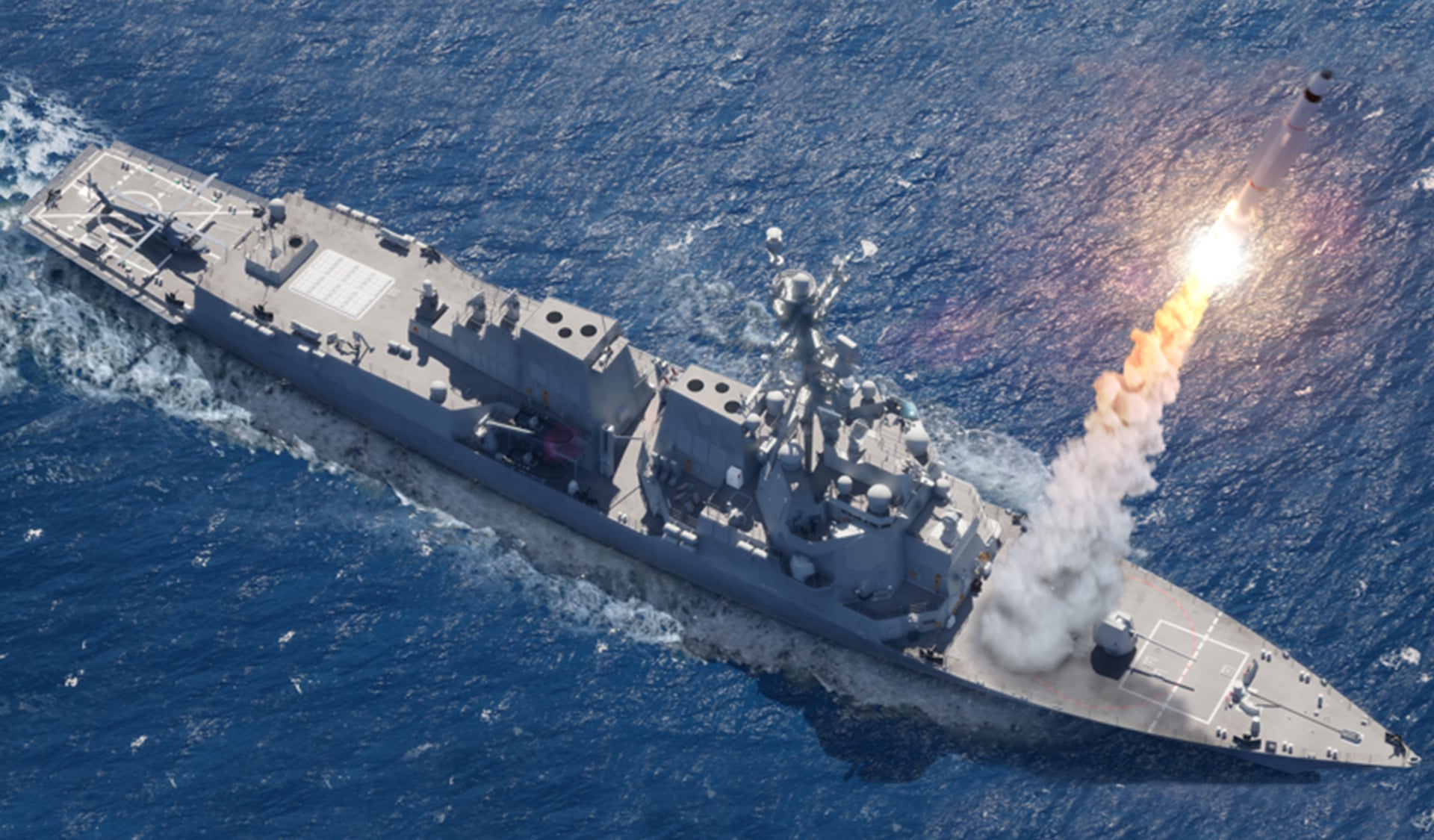
The mission has been a triumph for the U.S. Navy, thanks to fast software updates. How do we make that an everyday occurrence?
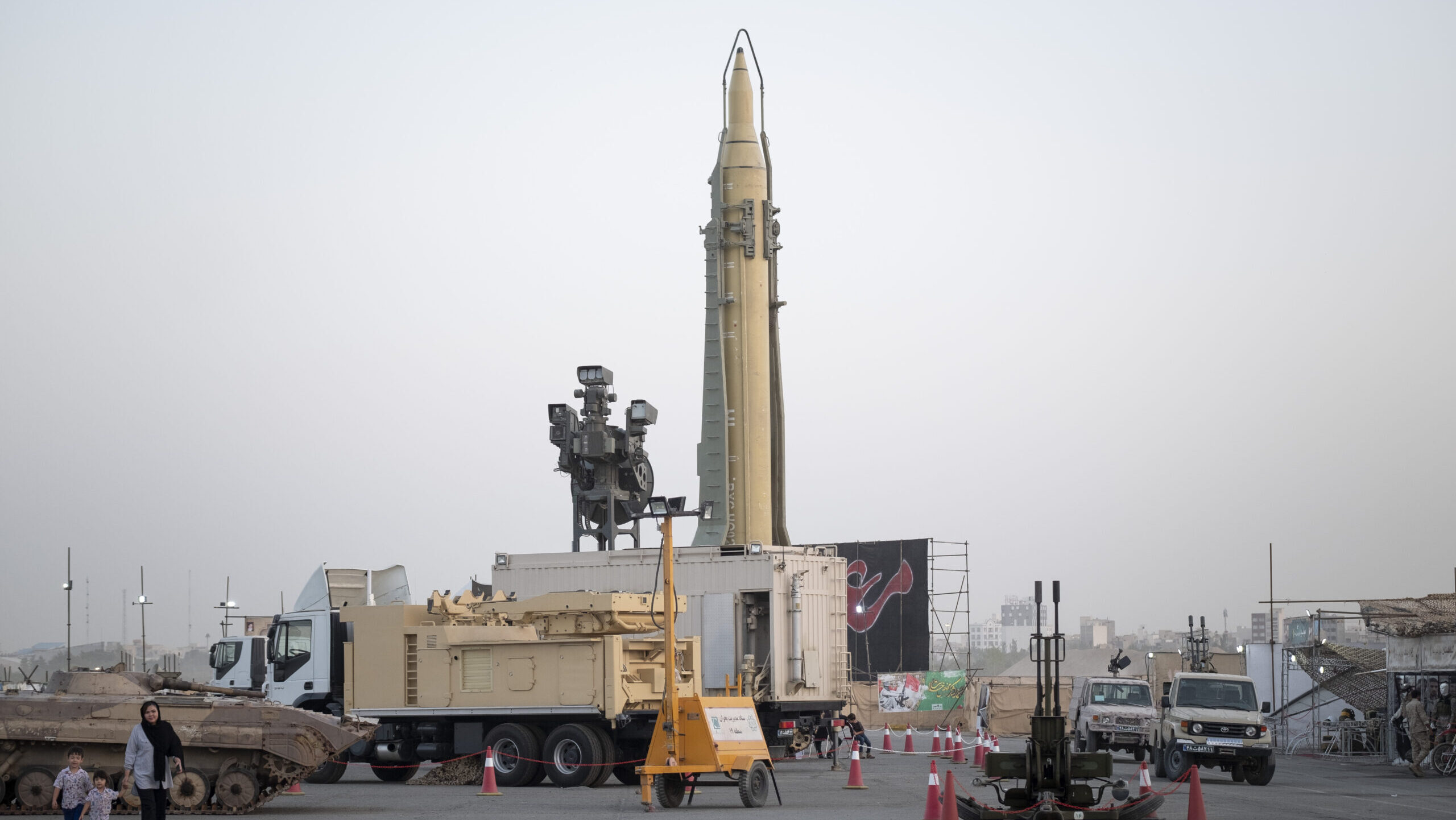
New statements from Iran are "abandoning the fiction" that they are not supplying anti-ship ballistic missile technology, according to analysts.
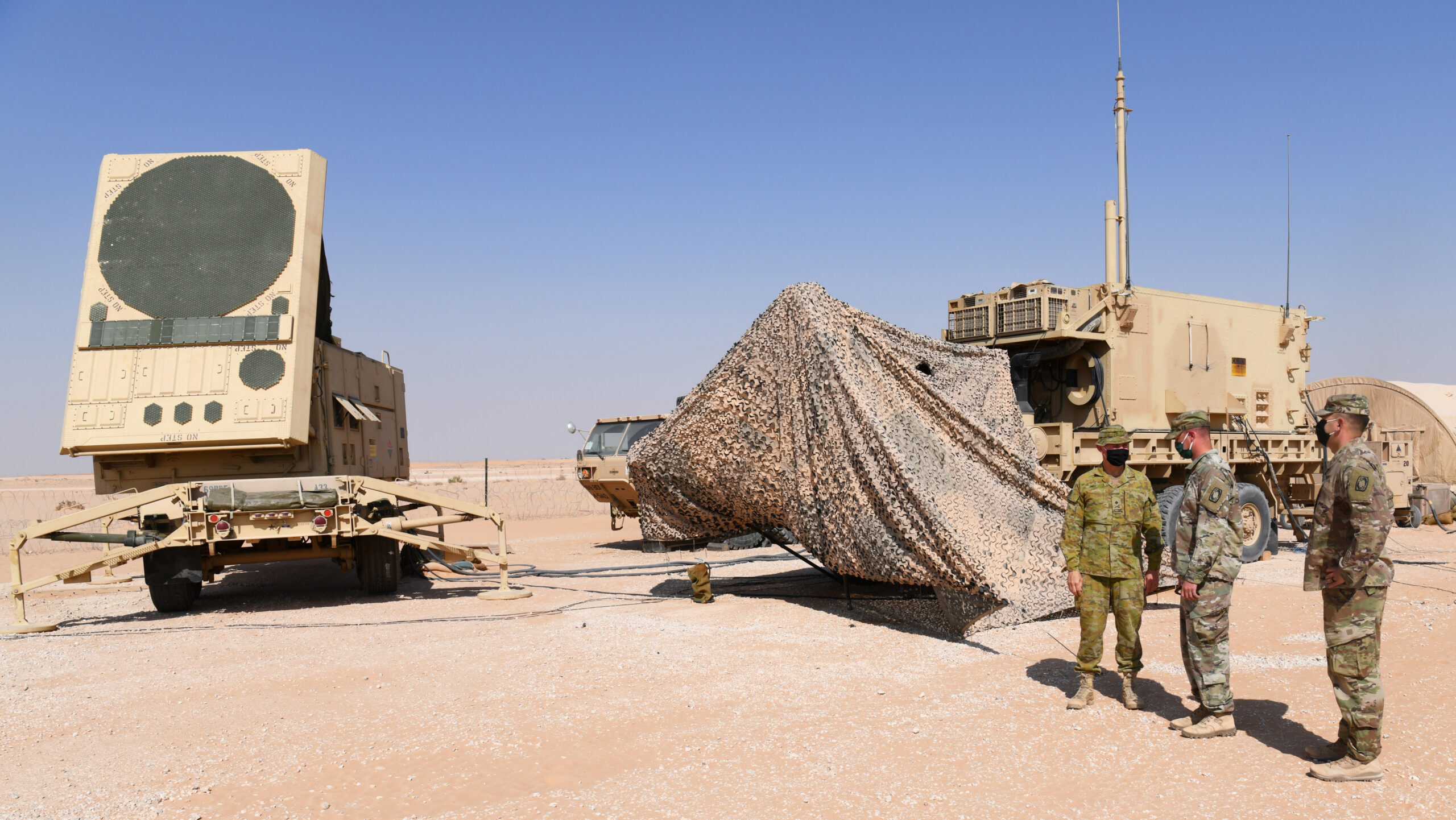
The ultimate goal of the new talks is to ensure the nations share information effectively enough that they can can work from a "common air picture" and act together in "other ways [to erode] the effectiveness of Iran's missile and UAV capabilities."

"We're working towards that end, and we have some solutions that I can't go into, but we are going to get after finding more cost-effective ways to address those lower-end threats," said Rear Adm. Fred Pyle, director of surface warfare at the US Navy.

GE Aerospace’s investments in the F110 are paying off in both production and delivery performance.
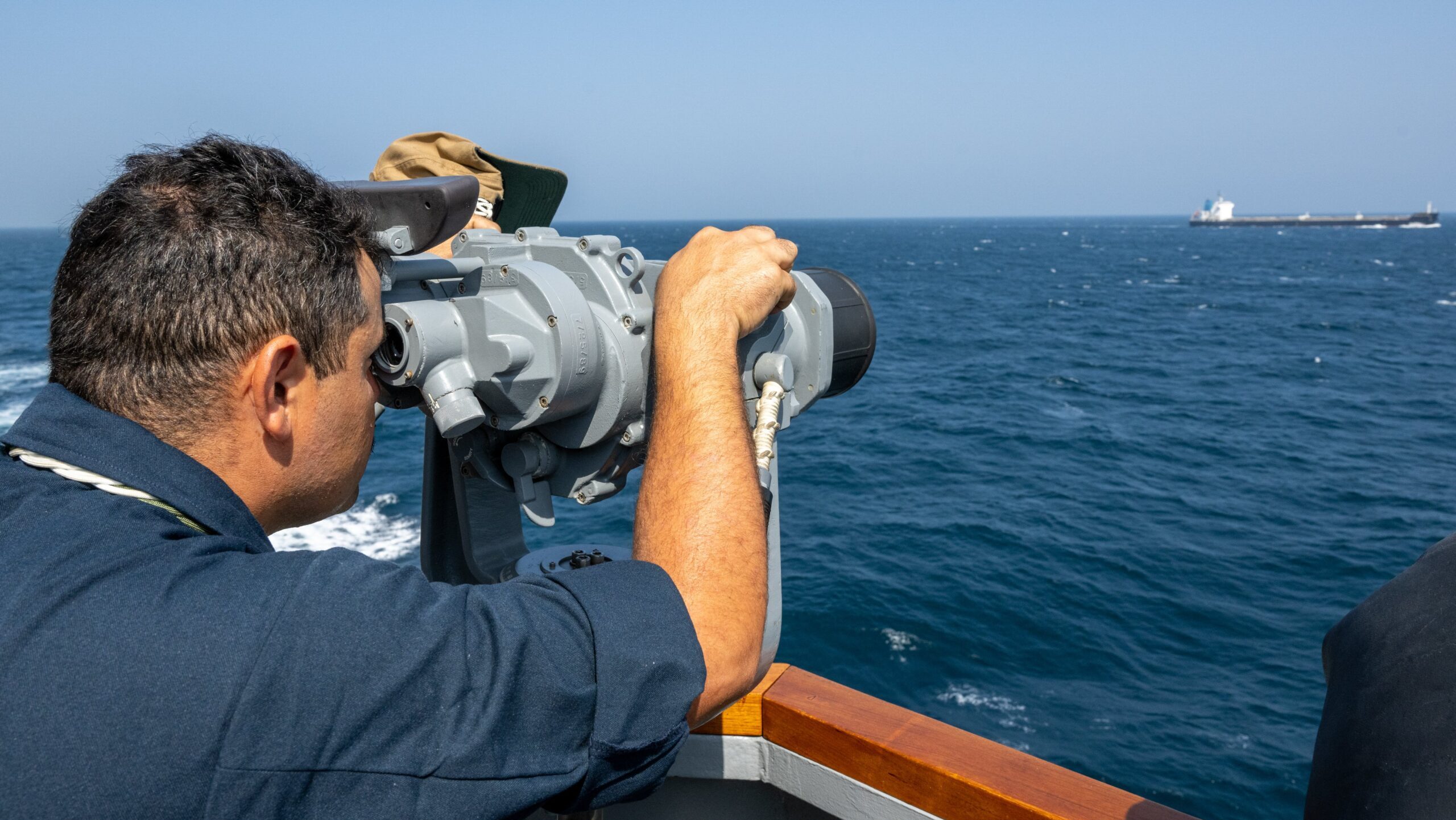
"It also shows how dangerous it is to equip a networked actor such as the Houthis with such a capability. The consequences for regional security are problematic," an analyst told Breaking Defense.